
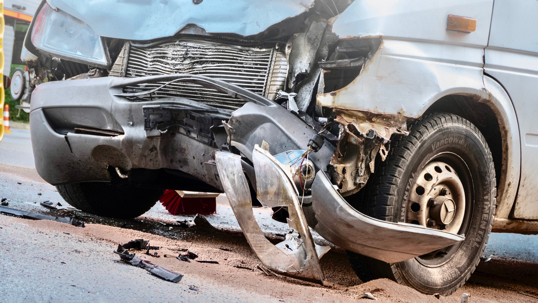
Holiday travel brings a predictable surge in roadway traffic across Missouri, Oklahoma, Kansas, and Arkansas. Highways become more congested, travel times increase, and drivers often face pressure to reach destinations on tight schedules. These conditions combine to significantly raise the risk of catastrophic motor vehicle accidents.
While the holidays are often associated with family travel and celebration, the roadways during this period become more complex and less forgiving for driver error.
Increased Traffic Density and Limited Reaction Time
One of the most significant risk factors during holiday travel is increased traffic density. More vehicles on highways means less space between cars and fewer opportunities to correct mistakes.
When traffic becomes heavy, even minor driving errors can escalate quickly into serious collisions. A delayed brake response, sudden lane change, or momentary distraction can trigger chain-reaction crashes involving multiple vehicles.
These types of accidents are especially dangerous at highway speeds, where impact forces increase significantly.
Time Pressure and Risky Driving Behavior
Holiday travel often involves strict timelines. Drivers may be trying to reach destinations before nightfall, avoid congestion, or manage long-distance travel in a single day.
This time pressure can lead to unsafe driving behaviors such as speeding, aggressive lane changes, and reduced following distances. In some cases, drivers may continue operating vehicles despite fatigue, increasing the likelihood of serious mistakes.
Even small lapses in judgment can have severe consequences in congested traffic conditions.
Weather Changes During Late Fall and Early Winter
In the Midwest, late October through December often brings changing weather. Rain, fog, early sunsets, and occasional freezing conditions can all affect road safety.
Reduced visibility is particularly dangerous during evening travel hours. Wet or slick roads also increase stopping distances, making it harder to avoid sudden obstacles or slow-moving traffic.
When combined with heavy holiday congestion, these conditions create a higher risk environment for catastrophic crashes.
Increased Commercial Traffic on Major Routes
During holiday periods, commercial trucking activity also increases. Delivery schedules tighten during this time of year, resulting in more large trucks sharing the road with passenger vehicles.
The size and weight of commercial trucks make collisions involving them more likely to result in severe or catastrophic injuries. In heavy traffic conditions, stopping distances and blind spots become even more significant risk factors.
Multi-Vehicle Crash Complexity
Holiday travel accidents are often not limited to two vehicles. Instead, they can involve multiple cars in chain-reaction collisions.
Determining fault in these cases can be complex, as investigators must analyze the sequence of impacts, driver reactions, and roadway conditions. Liability may be shared among multiple drivers depending on how the crash unfolded.
Catastrophic Injury Attorneys
Holiday travel traffic across the Midwest significantly increases the risk of catastrophic motor vehicle accidents due to congestion, time pressure, weather changes, and increased commercial activity.
Understanding these risks is essential for recognizing how serious collisions occur during this time of year.
Contact Bishop & Hayes P.C. at (417) 304-3228 to discuss your legal options after a serious motor vehicle accident.