
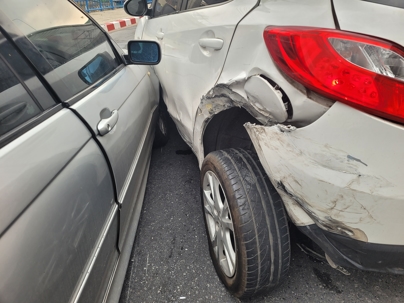
Driving during dusk can be challenging under any circumstances, but fall introduces a unique set of risks that catch many drivers off guard. The combination of earlier sunsets, changing weather, and reduced daylight contributes to limited visibility, which increases the likelihood of accidents. For anyone injured in a car crash during this time, understanding the causes and risks can help you not only drive more safely but also protect your rights if another driver's negligence caused the accident.
Why Visibility Declines at Fall Dusk
Fall brings shorter days, meaning dusk happens earlier in the evening. At this time, two visibility issues are at play simultaneously:
The Human Eye Struggles to Adjust to Dim Light
Eyes take time to transition between daylight and darkness. During dusk hours, there’s an awkward period where lighting is neither fully bright nor fully dark. This makes it harder for drivers to see pedestrians, cyclists, and even other vehicles on the road.
Sun Glare at Low Angles
During fall, the sun often sets at a low angle, which creates blinding glare for drivers. Glare confuses depth perception, makes it hard to spot traffic signals, and reduces reaction times.
Weather Conditions that Obscure Vision
Fall weather also delivers rain, fog, and early frost. Wet or frosty windshields and fogged-up windows reduce a driver’s ability to see clearly, compounding the effects of reduced lighting conditions.
Who Is Most at Risk During Fall Dusk Hours?
Drivers on Busy City Streets: Urban areas often have heavy vehicle and pedestrian traffic. Crosswalks can be hard to see in dim light, putting pedestrians at risk.
Commuters Heading Home: Fall dusk hours typically coincide with rush hour. High traffic volumes combined with limited visibility and hurried drivers increase the odds of rear-end collisions.
Rural Drivers: Country roads with little to no street lighting are especially hazardous when visibility drops. Animals like deer, which are more active in fall, pose an additional risk.
How Limited Visibility Contributes to Accidents
Here’s how these visibility challenges play out in real life and potentially lead to crashes:
- Delayed Reaction Times: When visibility is compromised, drivers are slower to react to sudden changes, like a car braking abruptly or a pedestrian stepping into the street.
- Failure to Detect Hazards: Limited lighting makes it more difficult to spot hazards such as potholes, debris, or other vehicles, especially those without adequate rear reflectors or functioning lights.
- Misjudged Safe Distances: Fall dusk is a perfect storm for miscalculating the distance between vehicles. This increases the likelihood of tailgating and rear-end collisions.
Tips to Stay Safe While Driving During Fall Dusk
While you can’t control the time the sun sets or the weather conditions, there are steps you can take to improve safety when driving during fall dusk hours:
1. Keep Your Headlights Clean and Turn Them On Early
Your headlights need to be clear of dirt and grime to work effectively. Be sure to switch them on before dusk settles to enhance visibility for yourself and others on the road.
2. Reduce Your Speed
Slowing down gives you more time to react to obstacles, vehicles, or pedestrians you might not have spotted right away.
3. Maintain a Safe Following Distance
During dusk, it’s harder to gauge how close you are to the vehicle in front. Allow extra space to avoid collisions.
4. Use Anti-Glare Tools
Sunglasses with polarized lenses can help reduce sun glare. Keep your windshield free from smudges and cracks to help minimize the blinding effect of the setting sun.
5. Stay Alert and Focused
Driving during dusk demands more concentration. Avoid distractions like cell phones or loud conversations to ensure you’re fully aware of your surroundings.
6. Be Cautious in High-Risk Areas
Slow down near schools, neighborhoods, and rural roads where children, walkers, and wildlife may appear suddenly.
What Should You Do If You’re Injured in a Fall Dusk Accident?
Even the most cautious driver can’t control the behavior of others on the road. If you’ve been injured in an accident caused by another driver’s negligence during fall dusk hours, filing a personal injury claim may be the right step to take. It’s essential to act quickly to protect your rights.
How can a personal injury attorney help? They can assist you with collecting important evidence, such as police reports, witness statements, and surveillance footage, to strengthen your case. An experienced attorney will also handle negotiations with insurance companies, so you get the compensation you deserve for your injuries, lost wages, and emotional distress.
Car Accident Attorneys
At Bishop & Hayes P.C., we are dedicated to providing comprehensive support for personal injury cases related to car accidents. Our experienced team in Springfield, MO is here to help you navigate the legal process should you encounter an unfortunate accident during fall dusk hours. We encourage you to reach out for a consultation at (417) 304-3228 to ensure your rights are protected and to gain the support you need. Together, we can build a safer driving community.